 by
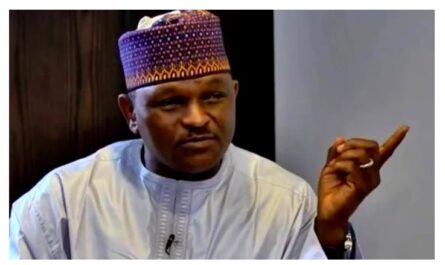
by Just as summer started in June, 2022, so did the news headlines from London spread like wildfire announcing the arrest of Nigeria’s two-term senate president and prominent politician, Ike Ekweremadu, and his wife Beatrice at Heathrow Airport after flying in from Turkey over an alleged organ harvesting scheme.
They were accused of smuggling a 21-year-old man into the UK from Nigeria with the intent to have his kidney removed so that they could donate it to their daughter.
After undergoing tests at the Royal Free Hospital in Hampstead, Northwest London, the 21-year-old declined to give his consent to the procedure. He was then treated like a slave at the Willesden Green home of the Ekweremadus but escaped and reported his predicament to Staines police station, Surrey.
Back home in Nigeria, a large number of the populace including those from Ekweremdu’s constituency were not empathetic over his incarceration. Medical care in Nigeria is among the most ineffective worldwide and the ordinary citizens are at the receiving end of the reality on the ground. Inability to access basic healthcare for ailments as simple as a headache is a luxury far beyond the reach of many Nigerians who are living below poverty level. Nigerians are aggrieved by the frequent trips by political leaders at the helm of affairs for medical reasons.
Politics in Nigeria, like many other African countries, is commodified. Many Nigerian leaders use their political offices primarily as avenues to enrich themselves, their family, relatives and friends. The country scored a measly 24% in Transparency International’s 2021 corruption rating. Nigeria’s health sector has been plagued with many problems all stemming from endemic corruption. The excessive spending of apparently looted public funds on their personal healthcare in international hospitals by Nigeria’s leaders at the expense of the poor, less privileged masses started decades before Ekweremadu.
Historical Records Of Overseas Trips For Medical Reasons by Nigerian Leaders
Let’s time travel back to 2005, news of the first lady, Stella Obasanjo’s demise shattered the nation after a cosmetic procedure in Spain. Five years later in 2010, after several uncountable trips to Germany for health reasons, the nation’s then president, Musa Yaradua, was flown back to Nigeria in a comatose state on life support and passed on shortly after.
In 2013, the first lady, Patience Jonathan admitted during a thanksgiving service to having a total of nine (some reports say 13) surgeries in yet again, Germany. She also admitted having a “Black doctor” (obviously not Nigerian) flown in from London for consultation at the villa. When not flying out for treatment, flying in medical doctors to treat Nigeria’s political elite is not uncommon. Doctors from the Philippines were flown into Nigeria several times to treat General Sani Abacha before his eventual death in June,1998.
From his resumption of power as a civilian leader in 2015, Muhammadu Buhari has clocked a whopping total of 200 days cumulatively in frequent health trips and counting to the United Kingdom. All these examples are from the topmost helm of government ie. the Presidency. But multiply these instances to the 460 members of the upper and lower representative, 36 governors, 774 local government chairmen,and more than 10,000 councillors who mimic the behaviour at presidential level.
Some Reasons Why Do Nigerian Leaders Prefer Overseas Medical Treatment
It would be more meaningful to not only examine some reasons behind the reckless medical tourism of Nigerian political office holders whilst also highlighting the leadership responsibilities which are often neglected or unaddressed thus emanating these conditions. Let’s look at some of them below.
1: Impunity Shields Questionable Behavior: Nigerian leaders from the highest to the lowest cares of government enjoy various degrees of unspoken or outrightly blatant impunity. They enjoy and openly flaunt their exemptions from punishable offences against different questionable practices and take absolutely no credit on the consequences of their actions.
When a leader who has no evidence of livelihood, apart from his or her occupation of a public office cannot be questioned about how they can afford largesse like personally funded medical trips abroad, they will adopt this behaviour as the new norm and boldly flaunt their reprobate behaviour.
2: Poor Infrastructure. Medical Equipment And Supplies: Embezzlement of the National treasury, often jocularly referred to as ‘sharing of the national cake, has sadly been the goal of many political office holders. Like all sectors of the nation, the healthcare sector is not immune. In 2021, e Socio Ecnomic Rights And Accountability Project, sued President Buhari (ironically, while he was on a medical trip to London), about a total of N3.8 billion naira missing in healthcare funds. These funds were meant for the Federal Ministry of Health, teaching hospitals, medical centres, and National Food Drug Administration and Control (NAFDAC). Inadequate facilities to tend to patients and lack of equipment to carry out their functions are purely due to the government’s responsibility to provide.
3: Relegation Against Prioritization: The state of the nation’s healthcare sector has been severely relegated to the background by leaders because of their easy access to luxury trips courtesy of government coffers for their own medical needs. Why pay for milk if one can get the cow for free? Why bother tackling the nation’s healthcare when their own personal needs are met in the best hospitals around the world?
For instance, in 2020 the N44.4 billion budget for healthcare was slashed down to N25.5 billion while a whopping N27 billion, an amount greater than the nation’s annual healthcare budget, was allocated for the renovation of the National Assembly Complex! This is an epic example of how low of priority the leaders of the nation relegate to the healthcare needs of the populace.
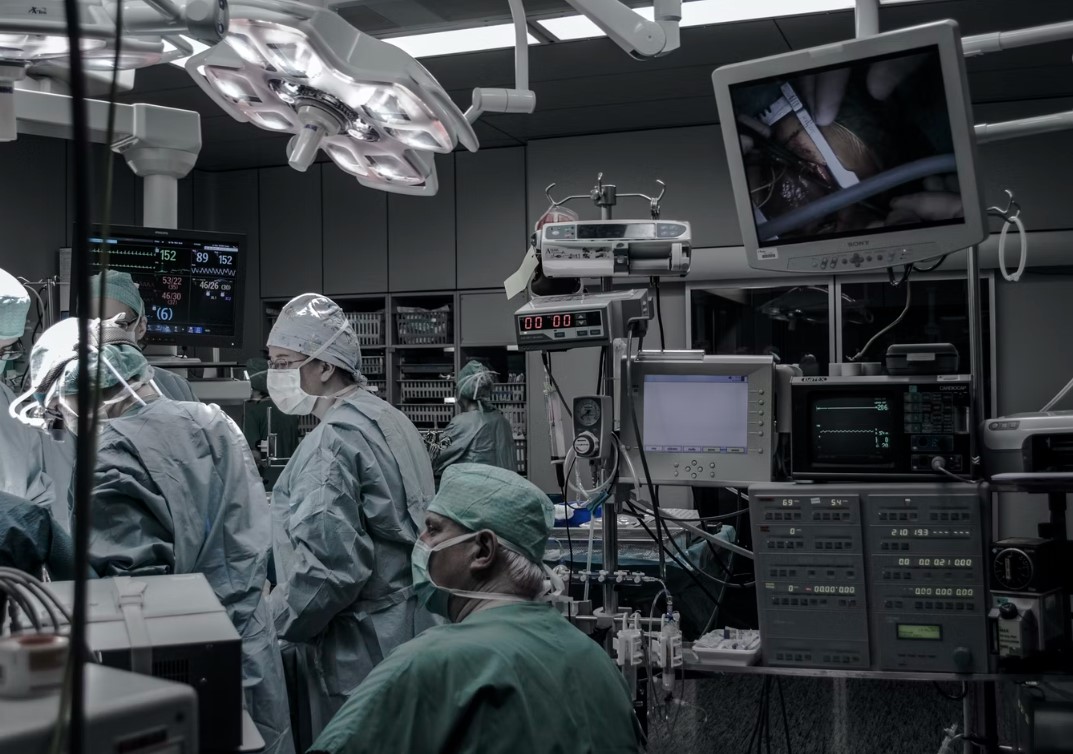
4: Lack Of Adequately Trained Medical Personnel: If indeed it is true that Nigerian medical personnel are incapable of providing professional healthcare, then the country’s poor quality leadership must be a contributory factor. Nigeria has produced a good number of world-renowned healthcare specialists and it is on record that the country even supplied the United Kingdom with the third highest number of foreign doctors.
Nigerian medical professionals are seriously challenged from the onset of medical school dealing with university strikes largely due to unpaid wages from the government which elongates their years of study from seven to sometimes as much as ten years. They then move to ill-equipped hospitals with poor remunerations and delayed salaries with no increase to reflect the rising costs of living for years.
Their counterparts in the legislature who often have basic formal education, cart away millions in allowances and devalue the contributions of these unsung medical heroes. Nigerian leaders must introspect as to why their homegrown doctors thrive in enabling environments abroad and devise ways to simulate the same conditions for doctors across the country.
Other reasons why the Nigerian leaders have developed a taste for medical tourism are poor hygiene/sanitary conditions of local hospitals and discourteous attitudes of health workers. While these may be administrative issues when leaders regularly seek medical help from local facilities and demand better standards, the overall quality of service delivery will improve because both hospital management and workers would know that the change drivers are in a position to impose/facilitate disciplinary actions on them.
CONCLUSION
Countries that have tremendously improved their healthcare systems to the point where they even attract medical tourists did not grow the reputation and quality of their healthcare system by chance but by deploying combinations of deliberate, concerted, strategic human capital development from enrollment to graduation in medical school, as well as exceptional working conditions from remuneration and state of the art equipment in comfortable working environments for professional doctors.
Because of their underserved medical overseas, Nigerian leaders gradually forget about the problems in their own country’s health care systems and this worsens public health. This is a total disservice to those who elected them into office, whose taxes they pilfer, and who can’t afford to fly overseas for treatment.
In 2018, a bill to ban government legislators from medical travel was rejected by members of the house of representatives for several reasons including being discriminatory as well as breaching fundamental human rights. It is great that Nigerian citizens are now beginning to seriously question this long-standing practice in the country to seek medical attention elsewhere and demand legislation to reduce this privilege. Their new found voice to question actions of poorly performing leaders and ask for more accountability.
Nigerian leaders must step up to their responsibilities and become more empathetic in their leadership agenda. Medical visits overseas are not sustainable. They create a brain drain of the best minds and leave the citizenry with no option but poor health. Only reckless leadership would deprioritize the physical and mental health of its people when this directly correlates to the overall social and economic growth of the society.